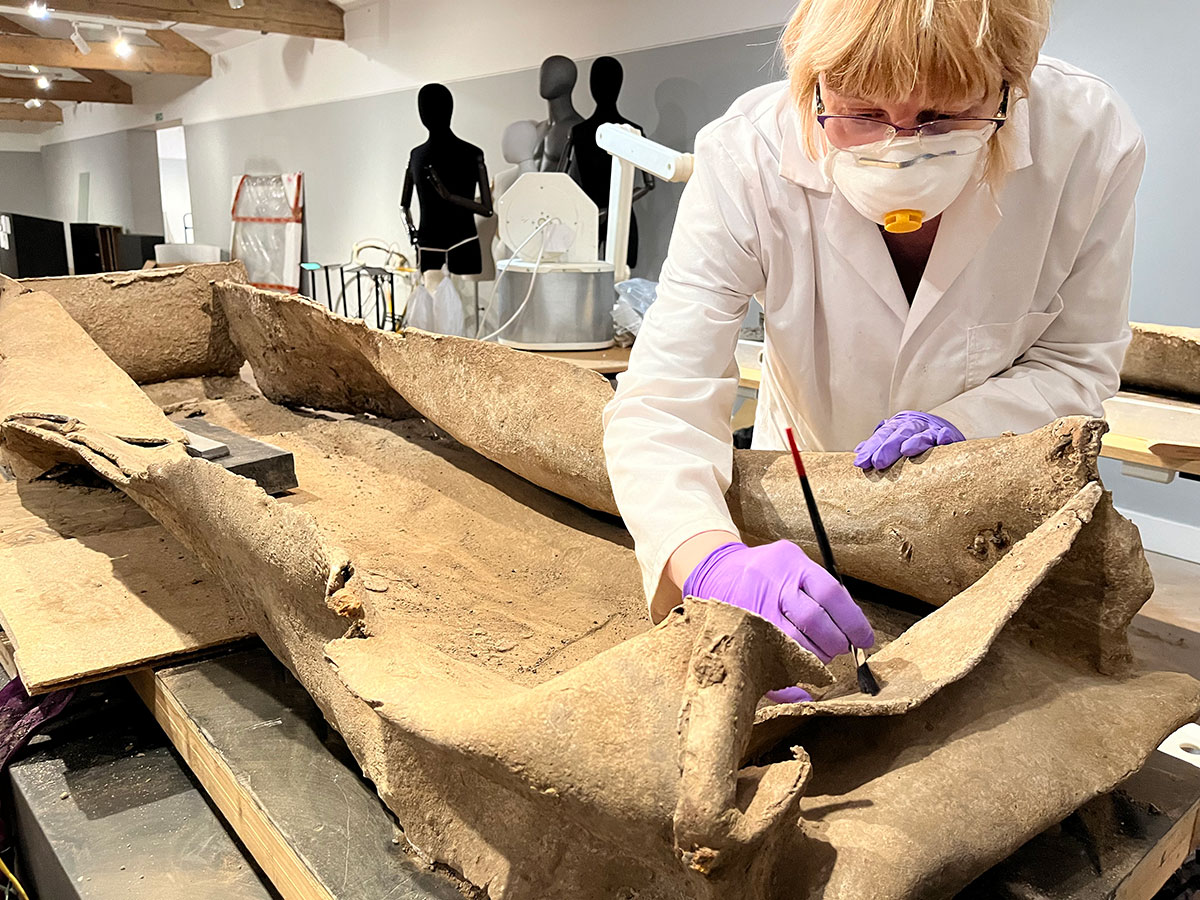
Secrets of city’s ancient Roman coffin to be revealed
An ancient lead coffin which lay buried in a Leeds field for more than 1,600 years is set to be revealed to the public for the first time.
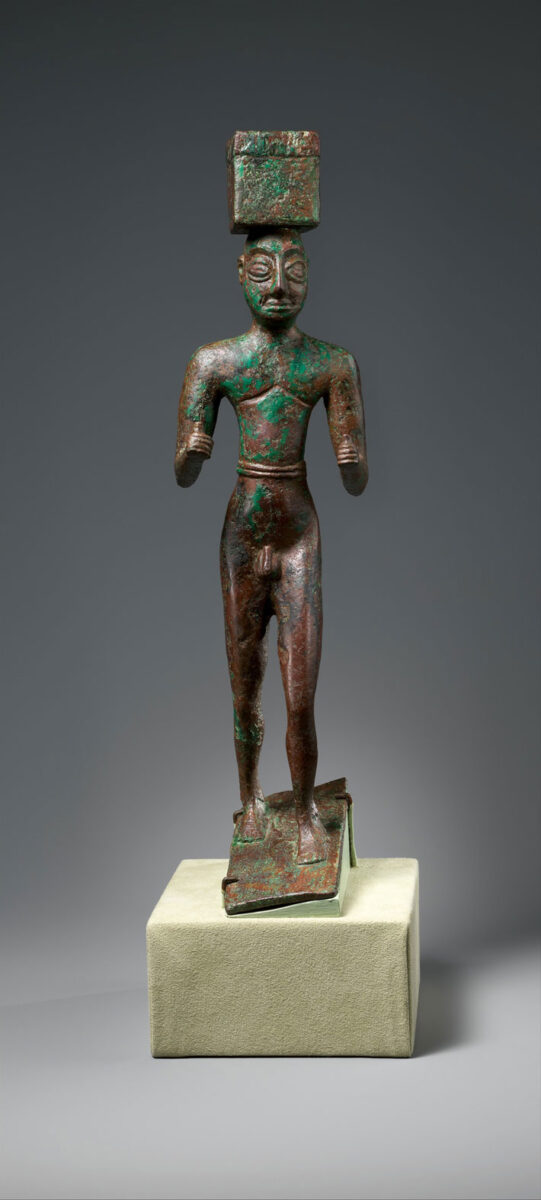
The Met returns sculpture to the Republic of Iraq
The Met initiated the return of the Early Dynastic figurative sculpture after provenance research by Met scholars established that the work rightfully belongs to Iraq.
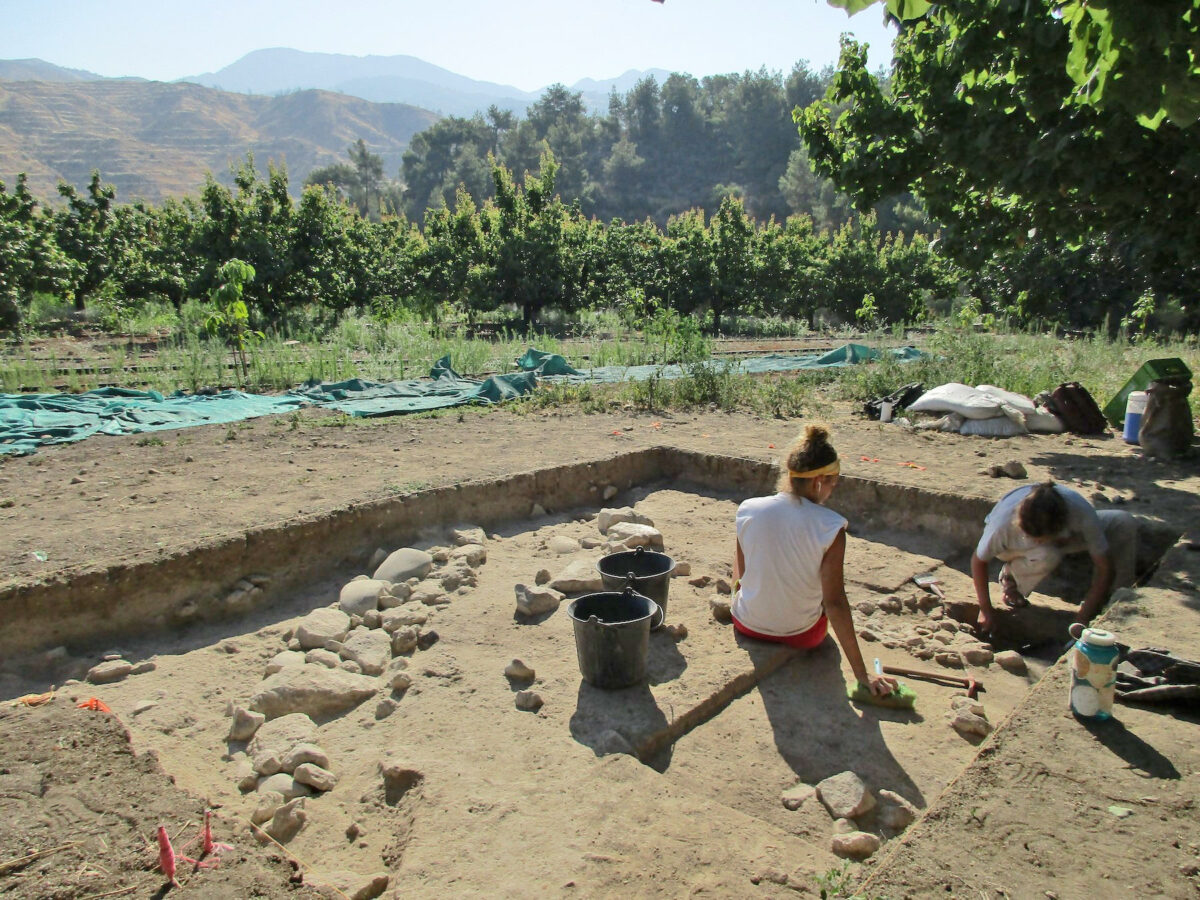
The Makounta-Voules-Mersinoudia excavation
The Department of Antiquities, Deputy Ministry of Culture, announces the completion of the excavations at Makounta-Voules-Mersinoudia.

Palaeontologist finds what may be the largest known marine reptile
A Manchester University palaeontologist has identified the fossilised remains of a second gigantic jawbone measuring more than 2m long.
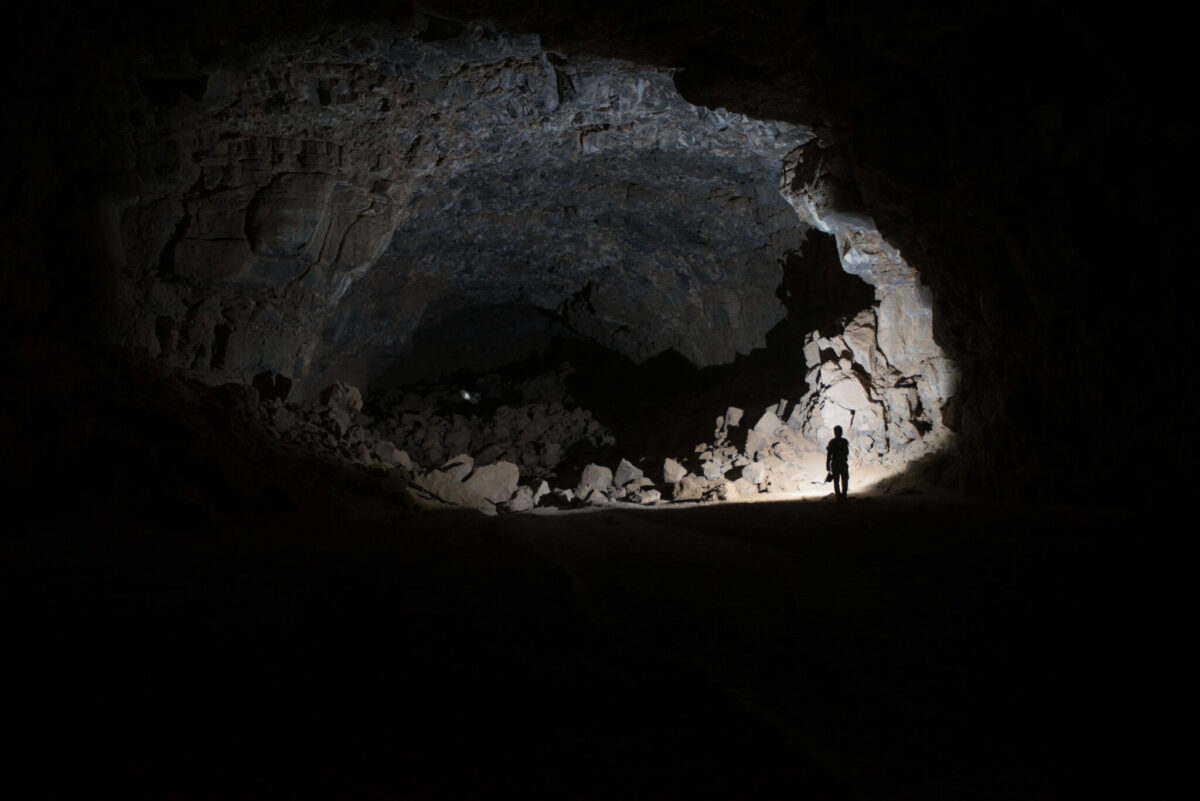
Human occupation in lava tube cave in Saudi Arabia
Recent research in Arabia has unveiled new insights into the evolution and historical development of regional human populations.
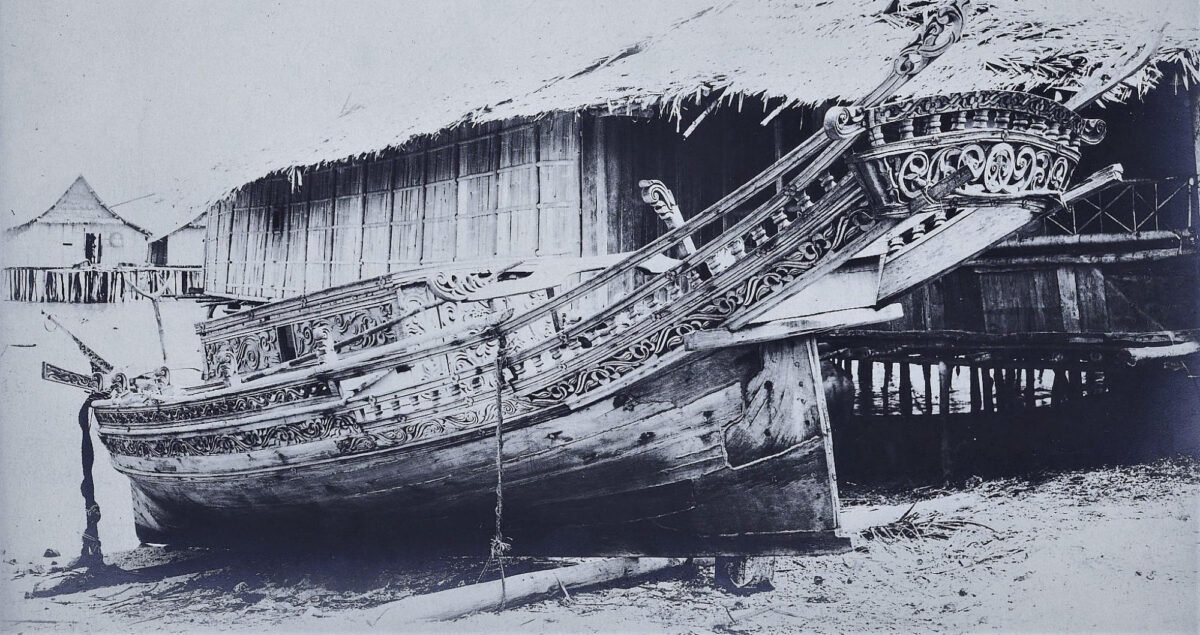
Down by the Water
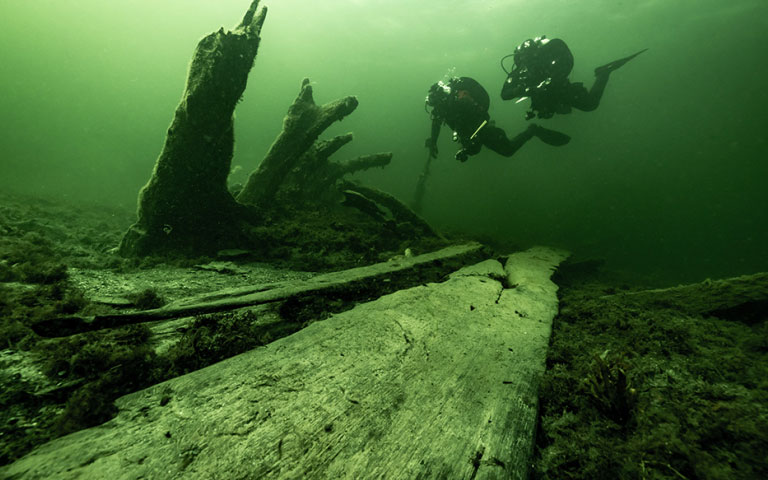
“Down by the Water. Interdisciplinary Studies of Dynamic Shorelines, Maritime Communities and their Boats” will take place on November 29, 2024 at University of Hull.
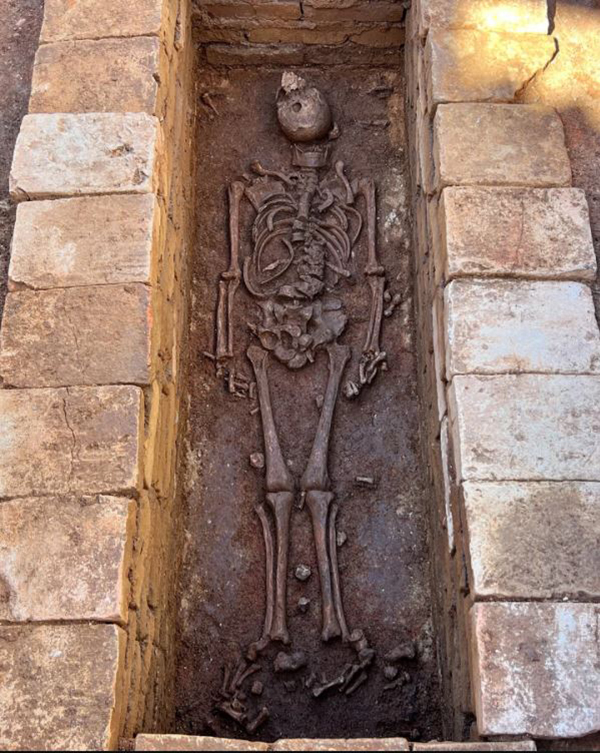
Three graves from the ancient Roman city of Ossónoba
Excavations revealed the first grave of a man, whose skeleton was complete, next to him lay a young woman and a baby.

New book gathers insights from Indigenous archaeologists
A book co-edited by a University of Kansas scholar that collects the experiences and know-how of younger Indigenous archaeologists.
PHOTOS & VIDEO
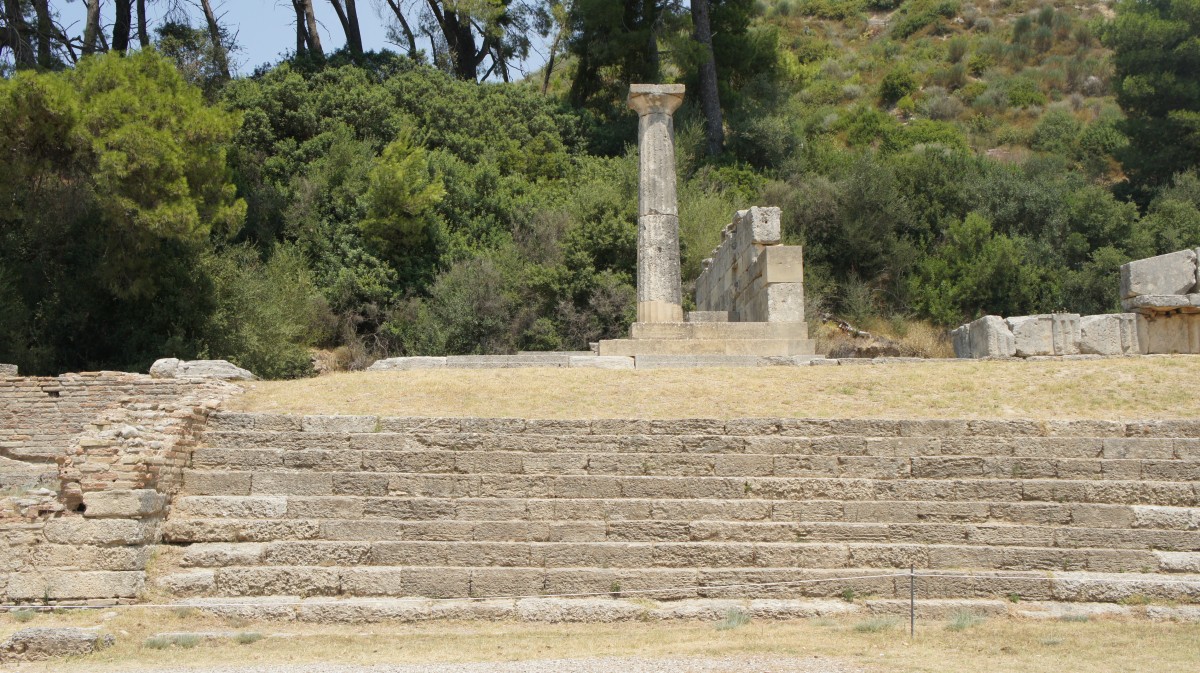
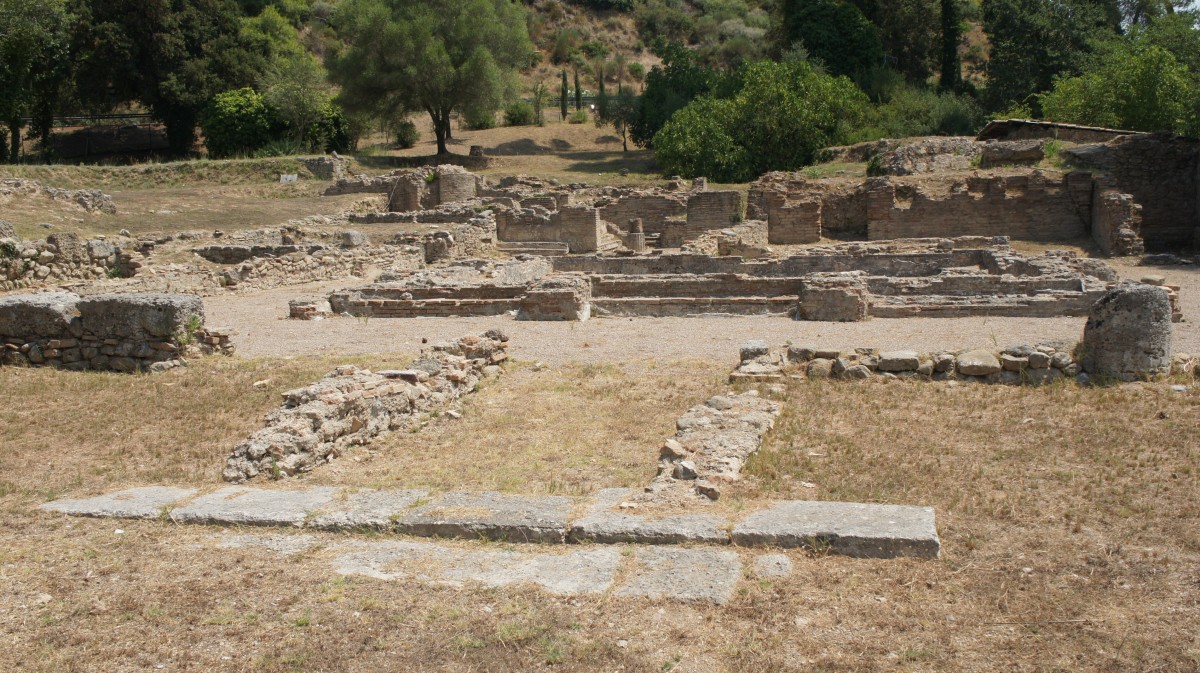
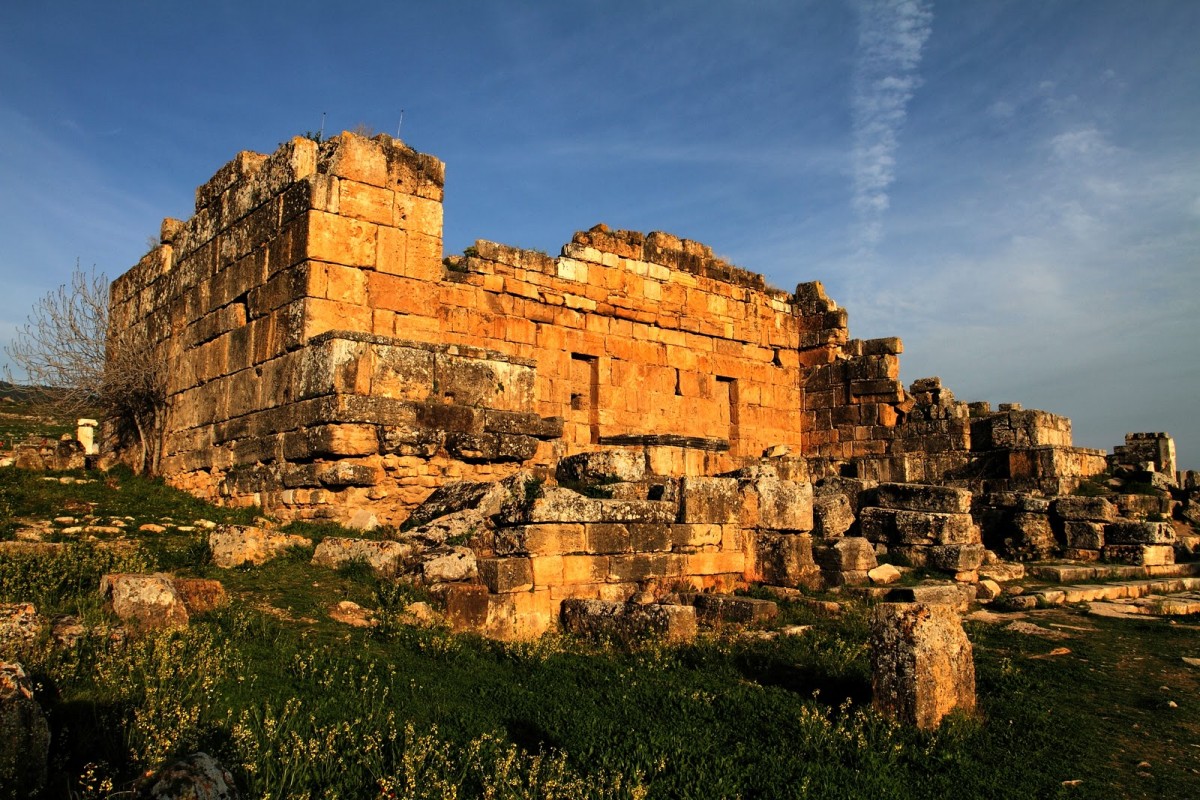
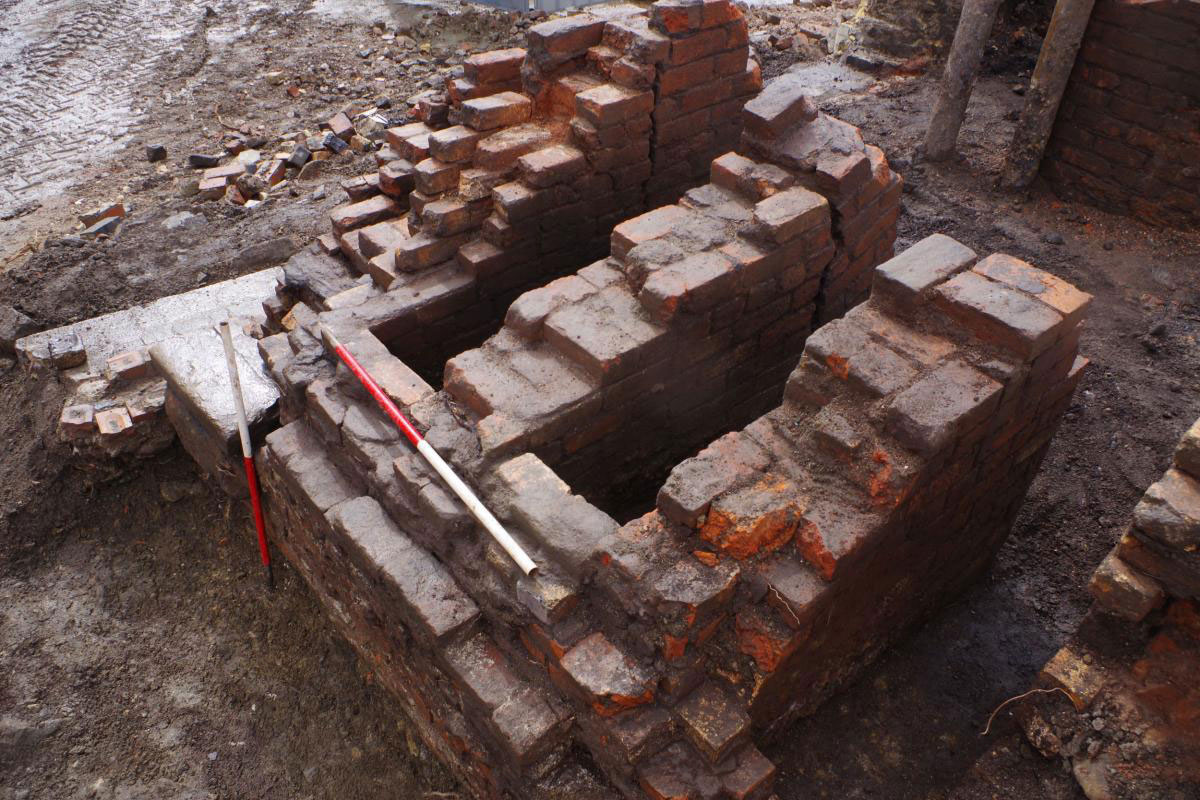
Sheffield Castle excavations heat up the city’s industrial heritage
Excavations on the site of Sheffield Castle have revealed archaeological features and structures that heat up the city’s industrial heritage.
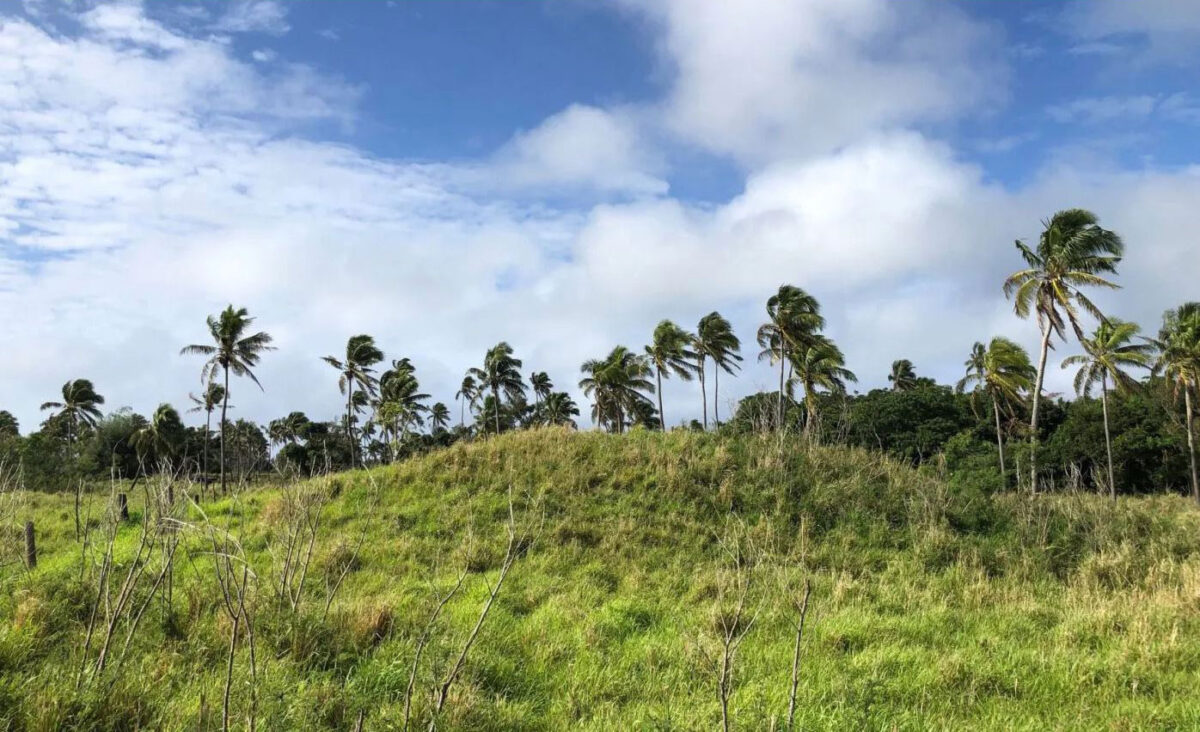
Pacific cities much older than previously thought
New evidence of one of the first cities in the Pacific shows they were established much earlier than previously thought.
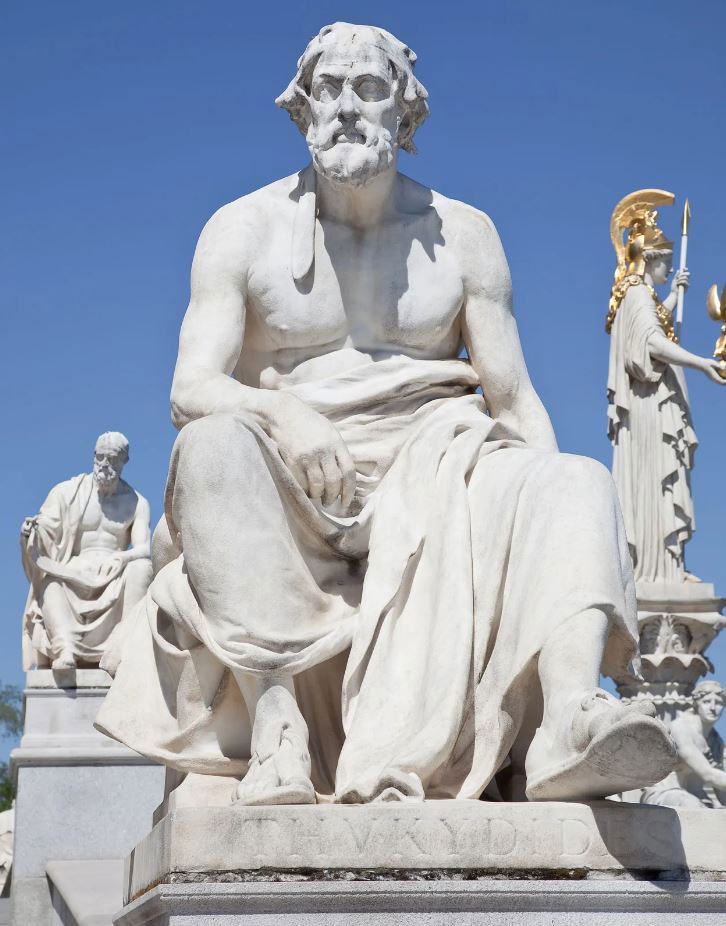
Belfast Summer School, bursaries, and online courses
There are still a few spaces on the summer term short courses on Sparta, Imperialism in the Roman Republic, and Speeches in Thucydides' History of the Peloponnesian War.

11 fully funded PhD positions in Ancient Heritage Studies
The doctoral program in Ancient Heritage of the Universities of Venice, Udine and Trieste, is one of the largest of its kind in Italy.
European Master in Classical Studies
The European Master in Classical Cultures (EMCC) now accepts applications for the 2024/25 academic year.
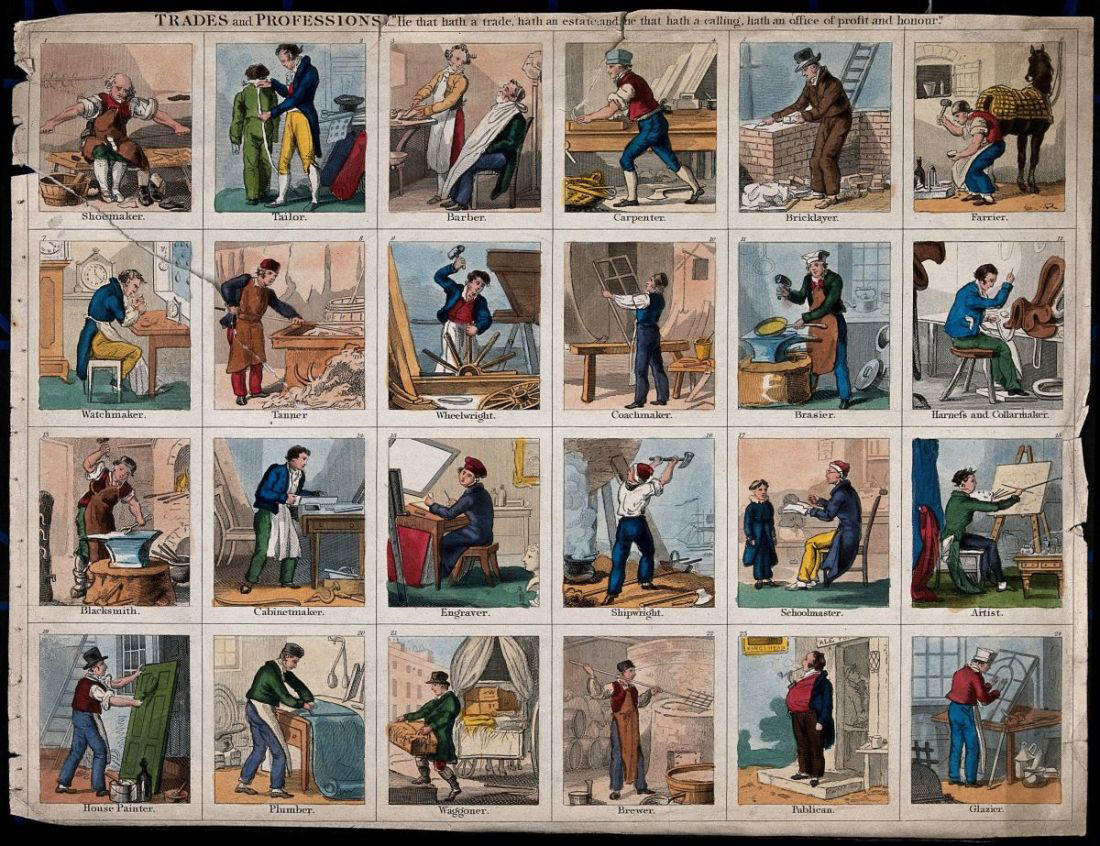
Britain industrialised over a century earlier than history books claim
Millions of historical employment records show the British workforce turned sharply towards manufacturing jobs during the 1600s.
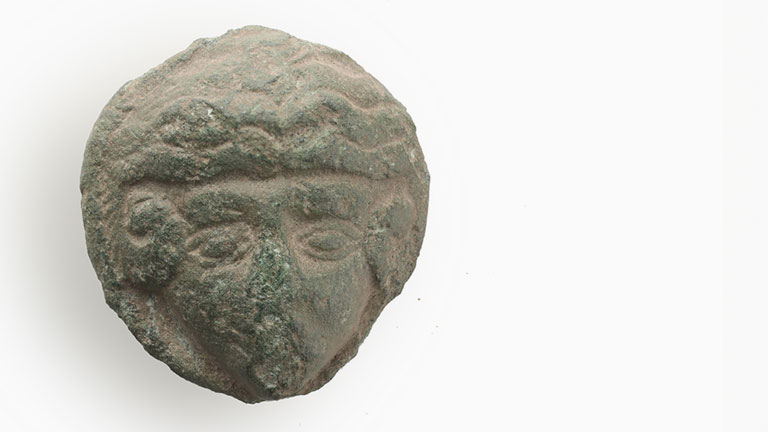
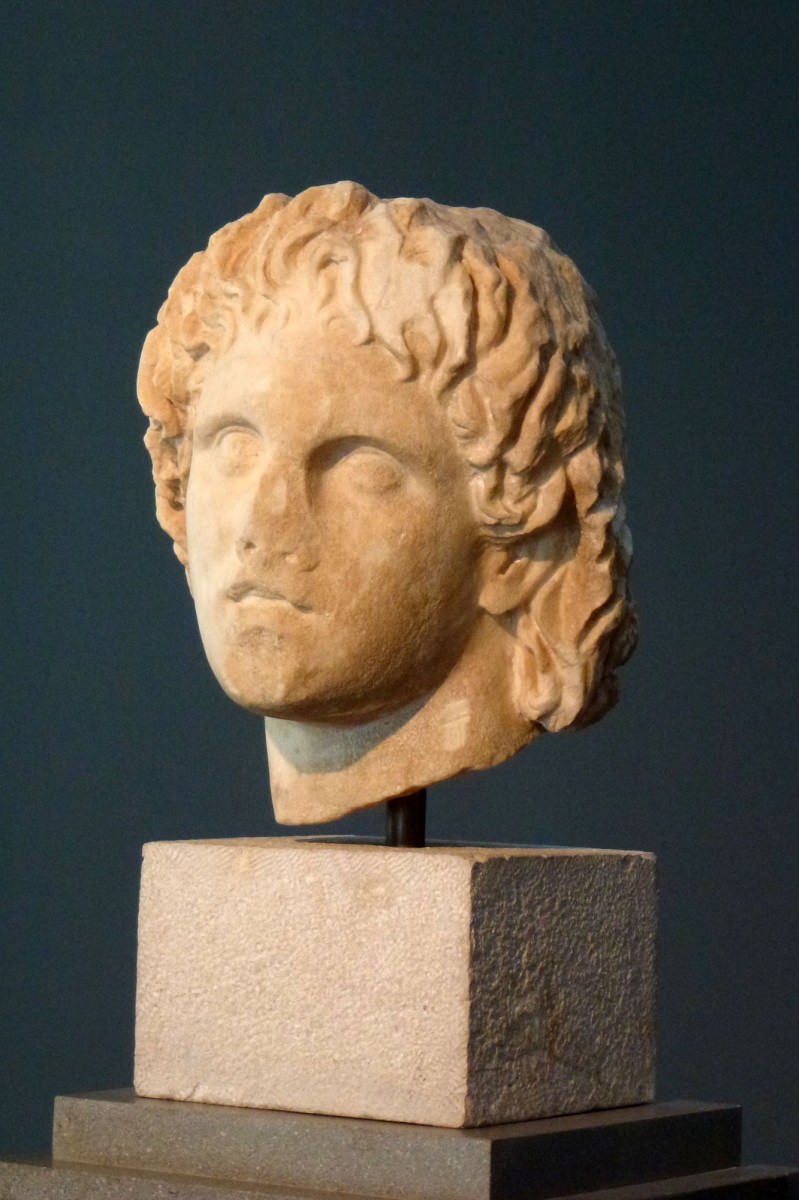
Portrait of Alexander the Great found near Ringsted
The discovery of a bronze fitting near Ringsted with a portrait of Alexander the Great arouses wonder in archaeologist Freerk Oldenburger.
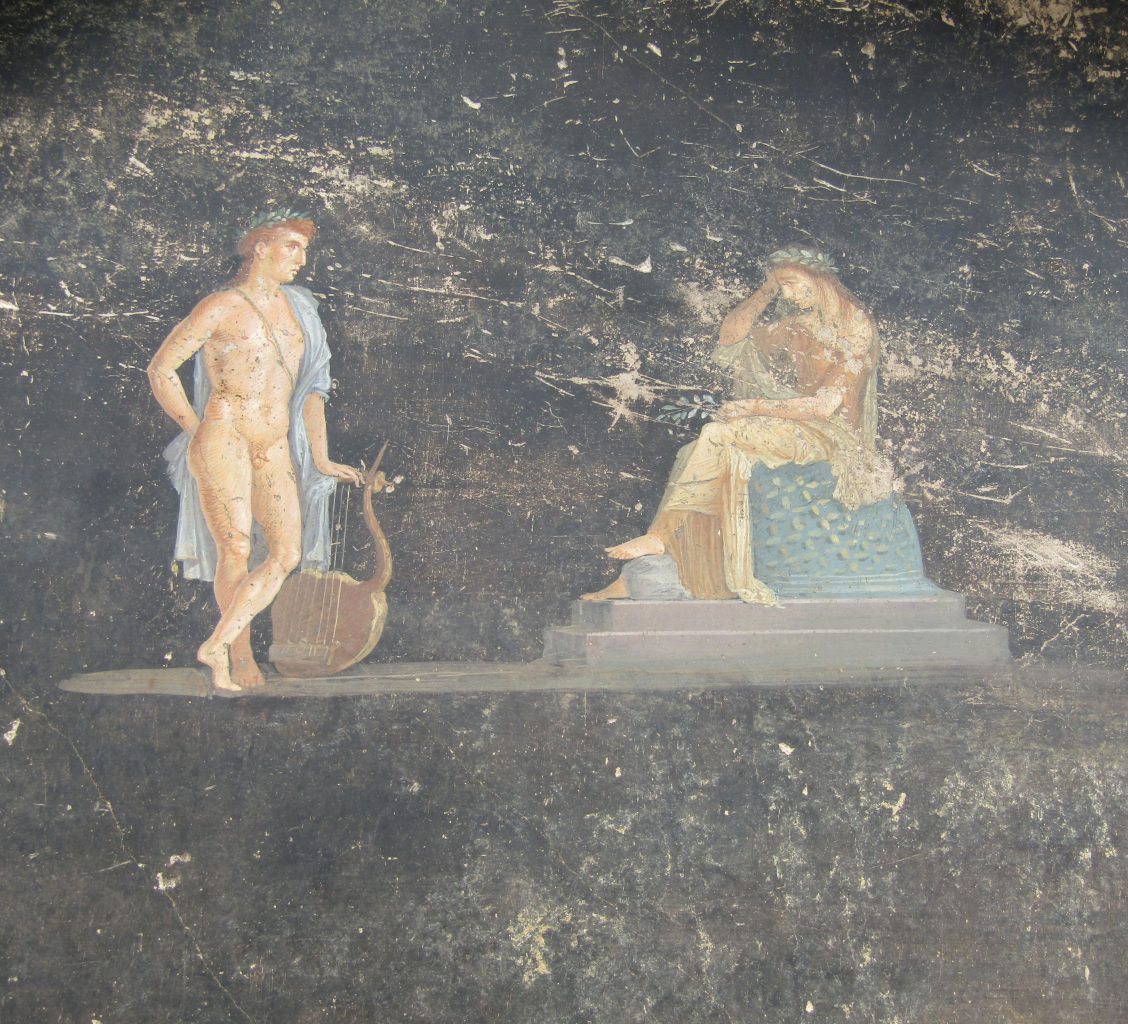
Pompeii: banqueting room has emerged from the new excavations
A spectacular banqueting room with elegant black walls has been brought to light during the excavations in insula 10 of Regio IX at Pompeii .
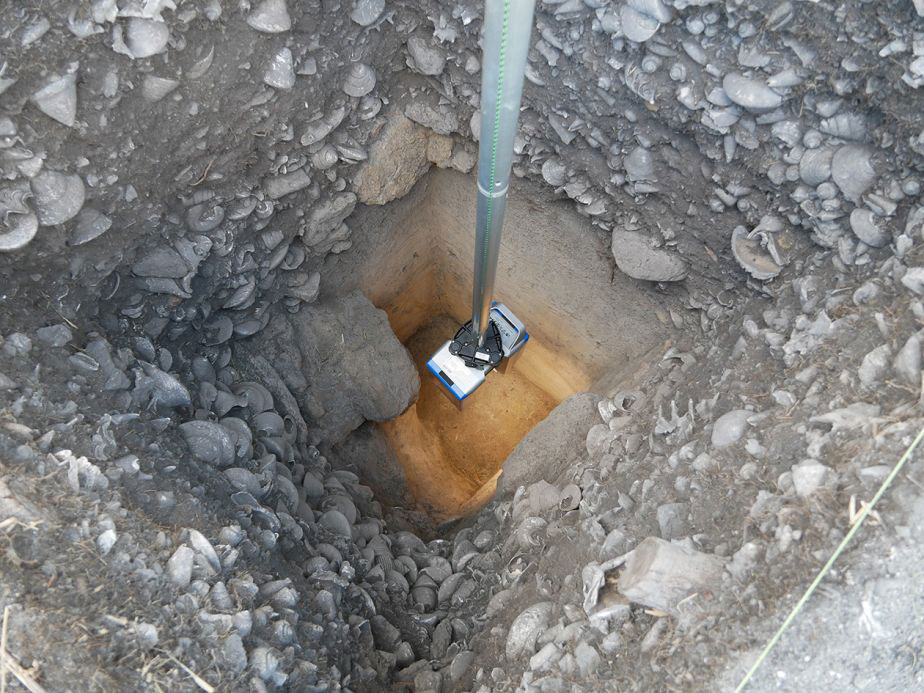
Discovery of pottery rewrites Aboriginal history
The discovery is challenging the idea that Aboriginal Australian communities were unaware of pottery manufacture before European settlement.
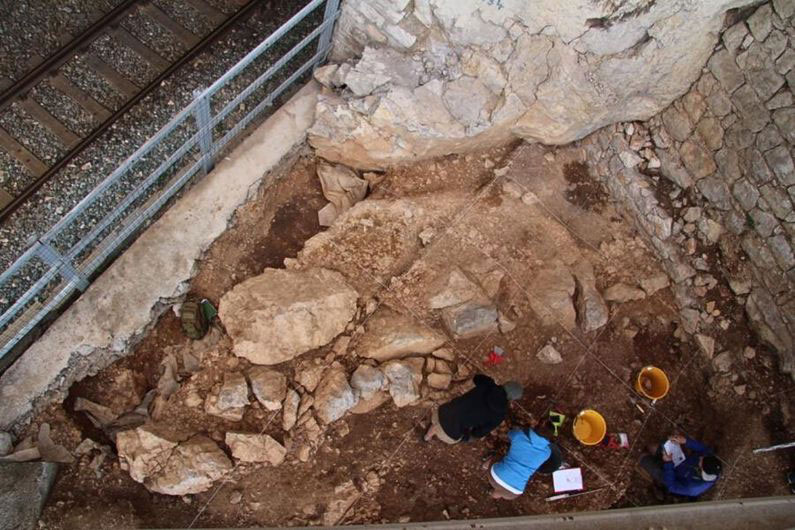
Make yourself at home… 40,000 years ago
An UdeM study unveils fresh insights into how Neanderthals and Homo sapiens organized their living spaces at the Riparo Bombrini site in northern Italy.

The hidden role of the Milky Way in ancient Egyptian mythology
A new study sheds light on the relationship between the Milky Way and the Egyptian sky-goddess Nut.
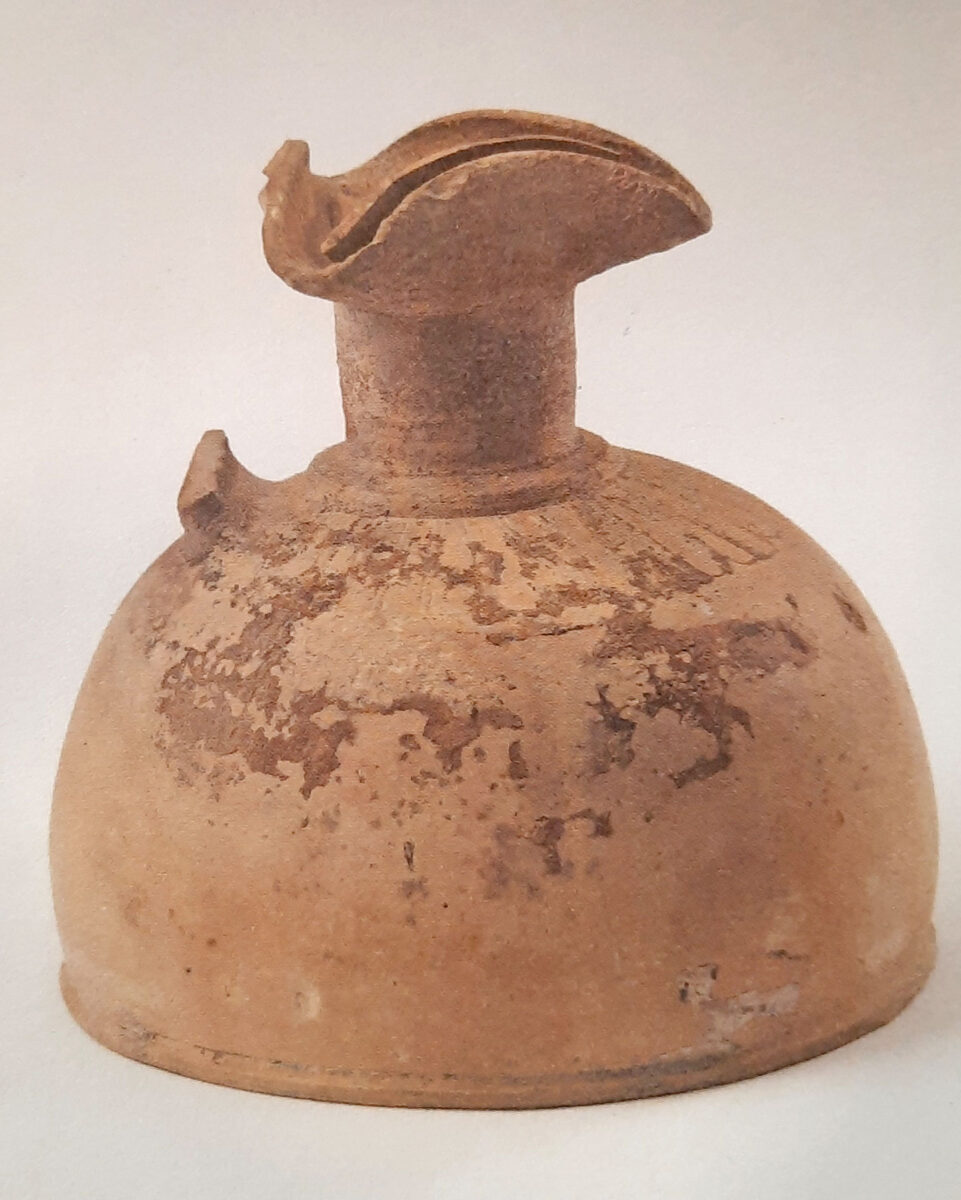
Repatriation of a Proto-corinthian oinochoe
An ancient artefact that had been removed during German occupation was returned to Greece by the Municipality of Hannover and the August Kestner Museum.
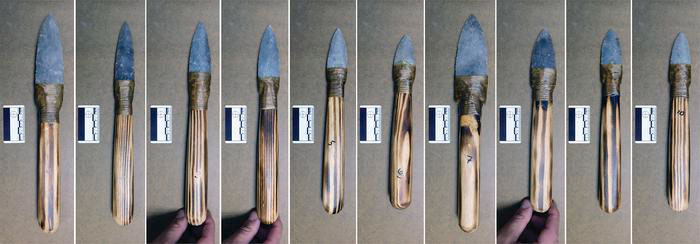
The prevalence of equifinality in archaeological interpretation
MeatEater, Inc. sheds new light on ancient stone knives and showcasing the importance of testing and looking for equifinality.
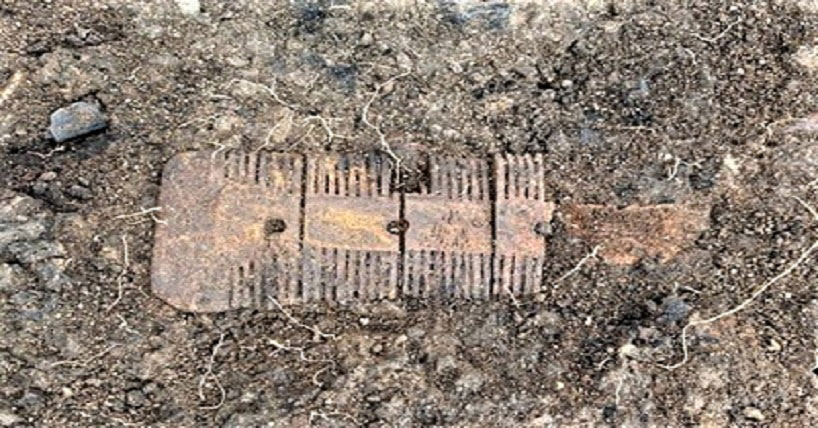
Prehistoric henge reveals centuries-old sacred site in Lincolnshire
Archaeologists from Newcastle University have unearthed evidence for an evolving sacred landscape spanning centuries in Crowland, Lincolnshire.
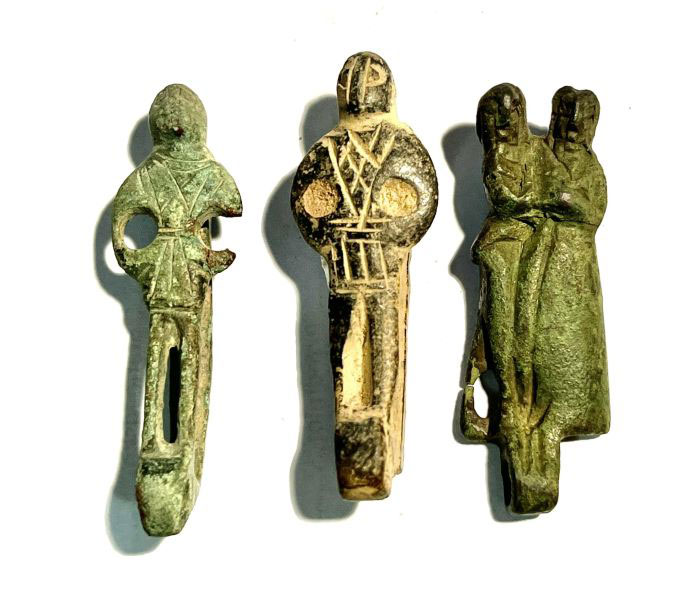
Medieval belt hook found near Kamień Pomorski
A late medieval belt hook for hanging keys or a purse was found near Kamień Pomorski (West Pomerania).
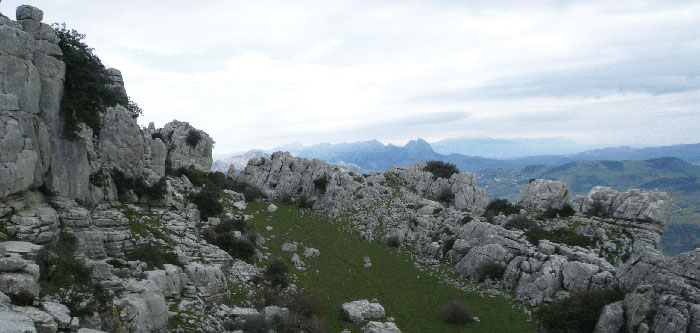
The early herding communities of the Southern Iberian Peninsula
The study of the feeding pattern of sheep in the Cueva de El Toro, Malaga, some 7,200 years ago demonstrates that livestock management practices of the Western Mediterranean during the Old Neolithic were far more varied than believed until now.